KUALA LUMPUR: There is a quiet and costly irony unfolding in housing estates across Malaysia.
Families living in landed homes are paying private security guards to protect their streets, homes and children. They do so because they believe visible security is necessary. Yet on every ringgit they contribute towards this basic protection, they are also charged 8.0 per cent Service Tax.
This is a direct appeal to the Finance Minister. Exempt security and guard services paid by residents of landed housing estates from the Service Tax.
It is not a request for special treatment. It is a matter of fairness.
A COST OF FEELING SAFE
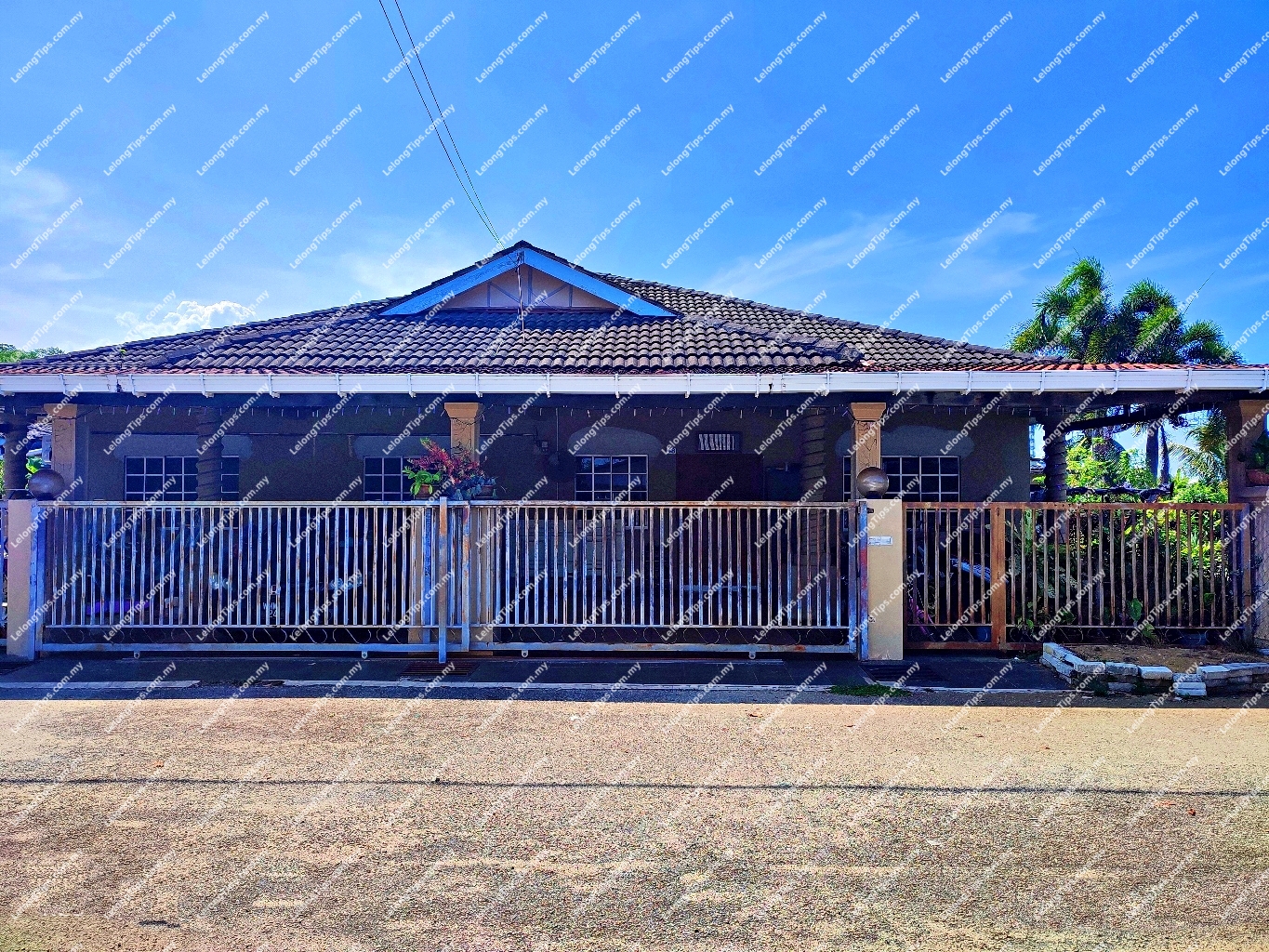
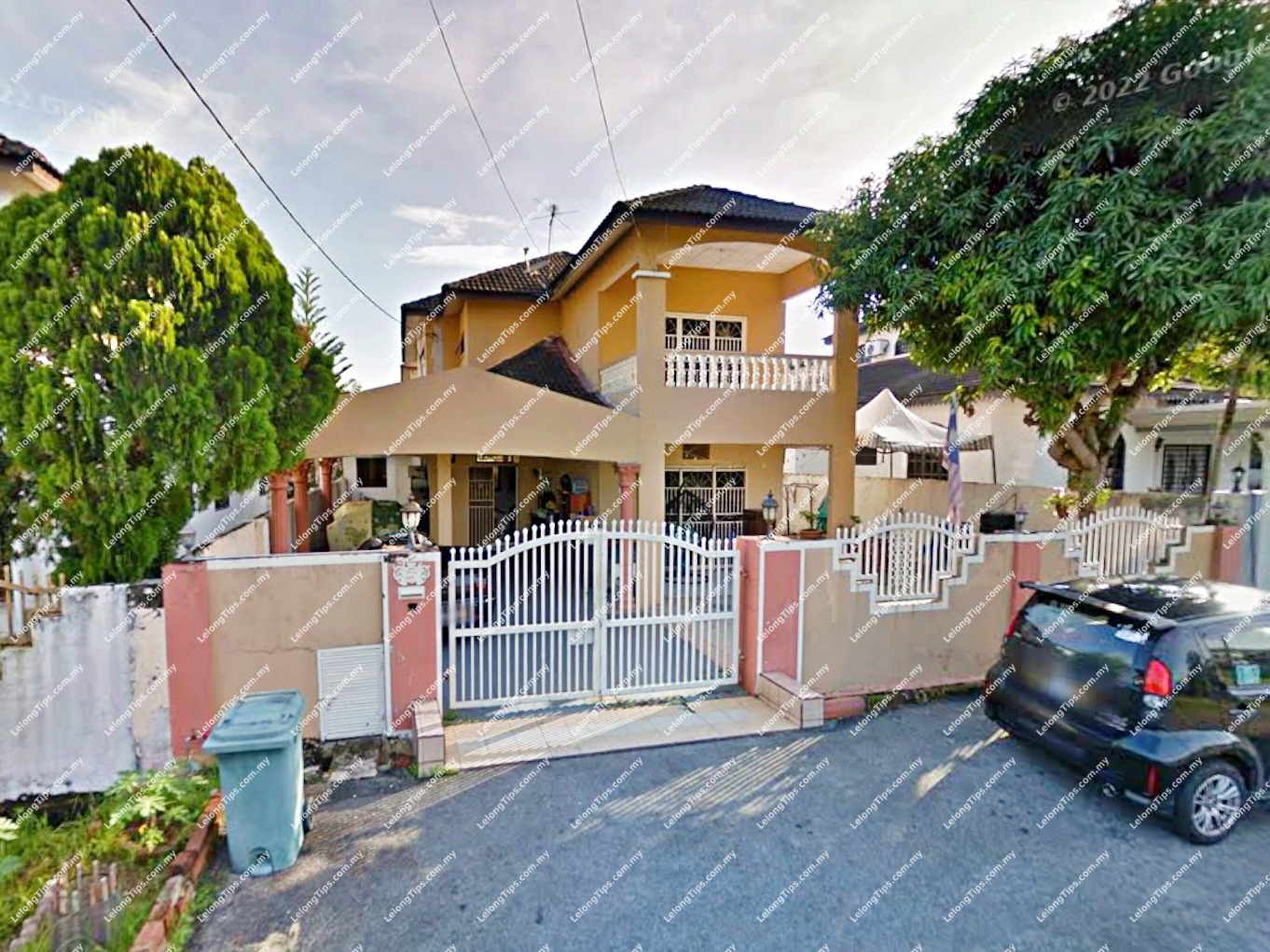
Guardhouses, boom gates, patrols and security cameras were once largely associated with high-rise residences and exclusive neighbourhoods. Today, they have become common in ordinary terrace housing areas.
Residents' associations, often led by unpaid volunteers, must negotiate with security companies, oversee payments, manage complaints and persuade neighbours to contribute. Many do this without statutory enforcement powers and while operating in neighbourhoods where roads remain public.
These residents are not buying a luxury service. They are pooling modest monthly contributions so that someone is present at the entrance, patrols the neighbourhood and responds when suspicious activity is spotted.
For a family contributing RM100 monthly, the 8.0 per cent SST adds RM8. That may appear small in isolation. But households already face mortgage payments, rent, school expenses, food costs, utility bills, assessment charges, road tax and insurance. Every additional charge matters, particularly when it is imposed on something as fundamental as personal safety.
Malaysia's general Service Tax rate rose from 6.0 per cent to 8.0 per cent on 1 March 2024. Guard and protection services for safety or security fall within the taxable service category.
The question is simple. Why should families be taxed when they are paying to secure the very places in which they live?
NOT A LUXURY
Security in a residential neighbourhood is not a premium lifestyle accessory. It is a practical response to real anxieties about theft, break-ins, scams, violence and the vulnerability of elderly residents and children.
Official statistics underline why these concerns cannot be brushed aside. Malaysia recorded 58,255 index crime cases in 2024, an 11.1 per cent increase over the preceding year. Property crime rose 12.4 per cent to 47,188 cases.
The figures do not mean every neighbourhood is unsafe. Nor should they be used to diminish the efforts of the Royal Malaysia Police. Police personnel work under demanding conditions, often with limited manpower, vast jurisdictions and an increasingly complex crime environment.
But the reality is that residents have turned to private security because they want an immediate and visible layer of protection. A guard at the entrance cannot replace the police. Neither can a residents' patrol investigate crime or bring offenders to justice. Yet they can deter opportunistic wrongdoing, alert authorities quickly and help create a safer environment.
This is community responsibility in action. It should be encouraged, not taxed.
A FAIR EXEMPTION
The government has shown that it recognises the need to protect the cost of living through targeted tax measures. Essential goods, including rice, chicken, vegetables and medicines, remain exempt from SST, while residential construction materials were excluded from the widened sales tax scope in the interest of affordability.
The same principle should apply to residential security services.
An exemption should be narrowly designed. It should apply to guard and protection services paid collectively by residents of landed, non-strata housing estates for the safety of their own neighbourhood. It need not extend to commercial premises, luxury clubs, private events or corporate security arrangements.
Such a policy would be clear, targeted and compassionate. It would recognise that a residents' association collecting funds for a night guard is not operating a business. It is a community trying to protect itself.
The Finance Ministry can work with the Royal Malaysian Customs Department, local authorities, the Home Ministry and registered residents' associations to establish a workable mechanism. Security firms should be required to identify exempt residential services separately on invoices. Associations should provide basic documentation showing that the service is funded by residents for a residential area.
This is administratively possible if the will exists.
REINFORCE PUBLIC SAFETY
Tax relief alone is not the answer. It must be accompanied by stronger and more visible policing.
Police stations must remain accessible to the public. Reporting crime should not become an exhausting journey across districts or a process that discourages victims from coming forward. Neighbourhood police posts must be properly supported, connected to patrol resources and equipped to deliver a meaningful frontline presence.
There should also be stronger coordination among the police, local councils, Rukun Tetangga groups and residents' associations. Community security cannot become a substitute for public policing. It should complement it.
The government must also publish district-level crime and response data. Communities deserve to know where the gaps are, where resources are most needed and how quickly calls for help are being answered.
THE RIGHT SIGNAL
Malaysia asks its people to be responsible citizens. Residents are responding by organising their communities, contributing their own money and working together to keep their neighbourhoods safe.
They should not be penalised for it.
An SST exemption for residential security services will not solve every concern about crime. But it will send a powerful message that the government understands the pressures faced by ordinary households living in landed properties.
Mr Finance Minister, security is not a luxury. Safety is not an optional extra. Families who pay to protect their homes should not be taxed for doing what they feel compelled to do.
Lift the SST on residential security services. It is fair, timely and necessary.