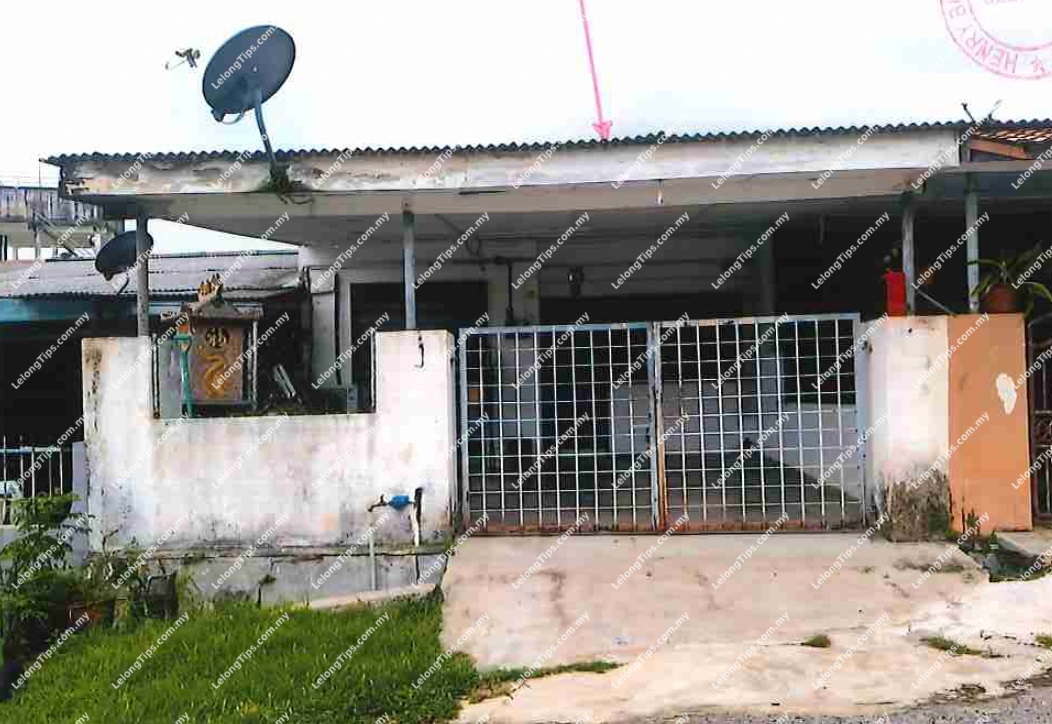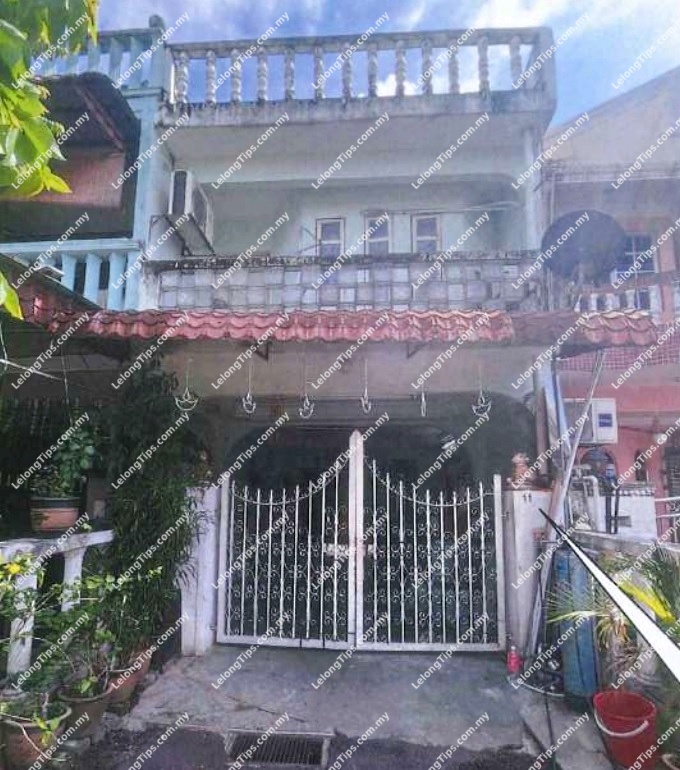
Beli secara lelong tanpa melihat rumah, risiko atau ganjaran?
Bayangkan anda membeli sebuah rumah tanpa pernah melihat bahagian dalamnya. Tiada peluang untuk melihat keadaan...

We are the exclusive marketing partner of LelongTips.com.my.
We display updated listings of auction properties in Malaysia and provide FREE assistance service for enquiries by telephone or online. Our below market value listing would benefit your property investment as well as for your own use.



The most common misconception in property development is confusing facilities with lifestyle integration.
Modern buyers, particularly millennials and young families, do not evaluate a home solely by counting the number of amenities on a brochure. They buy into a cohesive living experience.
A development that simply stacks facilities onto a podium deck often creates underutilised, soulless spaces. In contrast, successful projects focus on place-making: the intentional design of public and shared areas to foster community, convenience and daily routines.
When a property offers a seamless ground-floor retail experience such as an artisanal grocery store, a quality cafe or a day-care centre, it transforms daily living. A neighbouring project might have a larger gym, but if stepping outside its gates means confronting a blank concrete wall or an unsafe pedestrian path, its appeal drops sharply.
While two developments may share the same general precinct address, their micro-location can make or break buyer sentiment. Real estate value is heavily dictated by accessibility mechanics that buyers notice during daily commutes.
Ingress and egress dynamics
While two developments may share the same general neighbourhood address, their everyday accessibility often dictates their market value.
A project featuring direct, traffic-light-controlled access onto a main arterial road holds an immediate psychological advantage over a neighbour tucked behind complex, congested inner-township junctions.
After all, if residents must drive an extra 2km out of their way every single day just to make a legal U-turn during rush hour to reach home, that daily friction quickly translates into long-term market resistance.
The same principle applies to public transport: being near a transit station is rarely a binary metric. A development offering a covered, well-lit, elevated walkway directly into a mass rapid transit or light rail transit station commands a substantial price premium over a competing project located about the same distance away across an unlit, uncovered highway shoulder.
Such safety aspects may seem trivial, but according to a StarProperty survey, walkability on a safe and secure pathway shielded from the rain and sun is a plus point.
Floor plan efficiency and liveability
A major reason why some amenity-rich developments perform poorly lies behind the front door. Outstanding communal facilities cannot compensate for poorly conceived unit layouts.
When buyers walk into a sales gallery, spatial psychology takes over. An 850 sq ft unit with a wide layout, square bedrooms, ample natural light and an efficient kitchen will always feel larger and more inviting than a 950 sq ft unit burdened by long, narrow hallways and awkward structural pillars.
Investors and owner-occupiers quickly recognise when square footage is wasted.
Similarly, low ceilings can make a unit seem smaller despite being the same size as a unit with higher ceilings.
Developer track record and security
The identity and reputation of the developer act as a powerful risk-mitigation factor for buyers.
A developer known for delivering projects on time, maintaining high build quality and honouring warranty periods instils buyer confidence.
Furthermore, smart purchasers look beyond the handover date to evaluate long-term property management and joint management body (JMB) governance.
This includes:
A hot property is carefully calibrated to match the demographic, income profile and lifestyle needs of its immediate target audience, ensuring natural market absorption.
Market timing is another critical, yet often overlooked, variable. A pioneering developer may effectively saturate and exhaust the immediate catchment’s pool of qualified buyers, leaving a late-entering neighbour struggling to capture residual demand from a drained pipeline.
A comprehensive list of facilities is merely a baseline requirement in today’s competitive property landscape but it is not a differentiator.
Properties that achieve outsized popularity and sustained value growth succeed because they master the fundamentals: effortless micro-accessibility, human-centric place-making, highly efficient interior layouts, trusted developer reputation and proactive long-term management.
When developers look beyond surface-level amenities and focus on solving daily friction points for residents, they turn what could have been a lukewarm estate into a thriving, high-demand landmark.
Bayangkan anda membeli sebuah rumah tanpa pernah melihat bahagian dalamnya. Tiada peluang untuk melihat keadaan...

Rumah bukan lagi sekadar 'dinding' untuk berteduh, sebaliknya menjadi impian yang semakin sukar digapai apabila harganya...