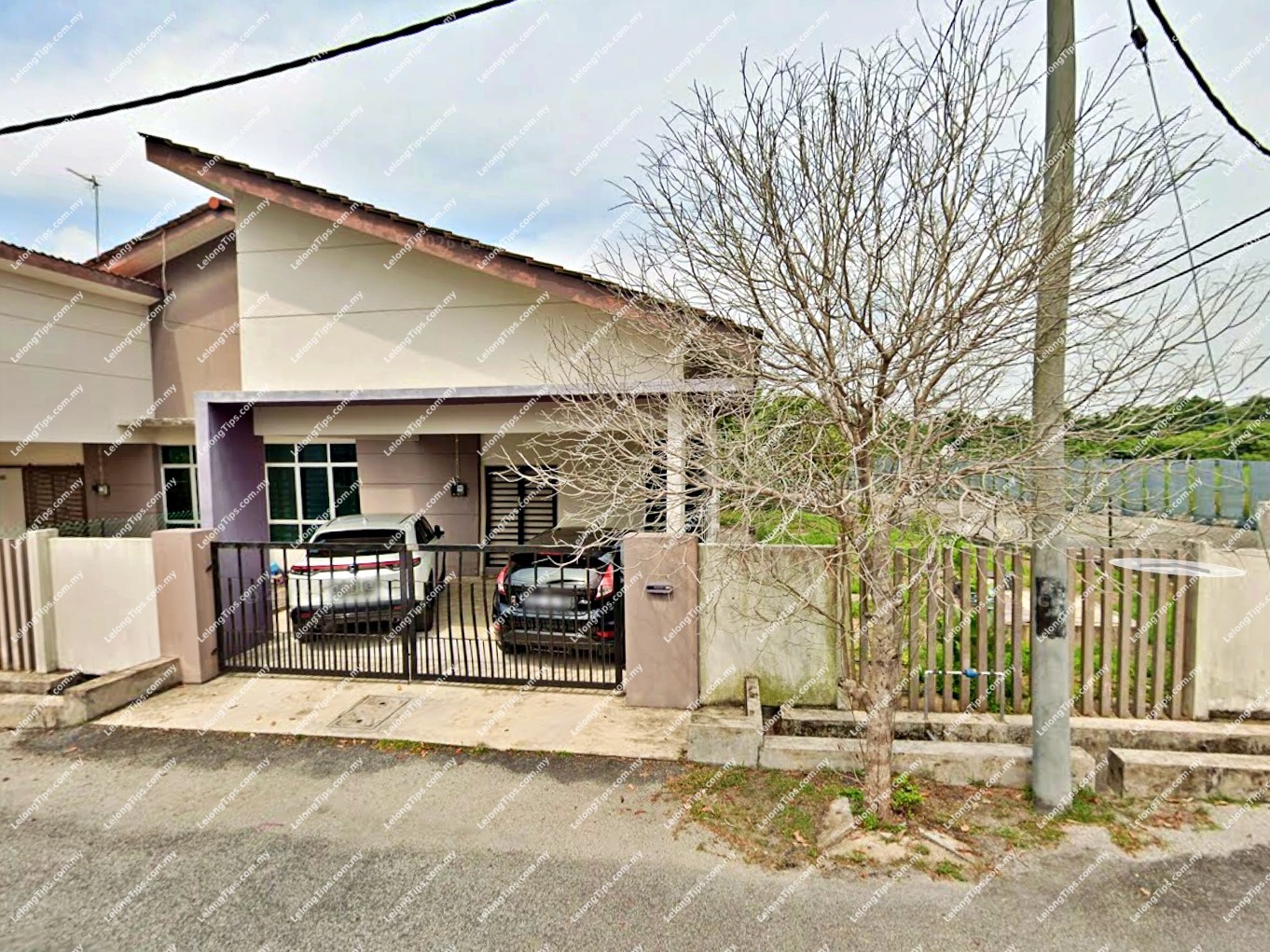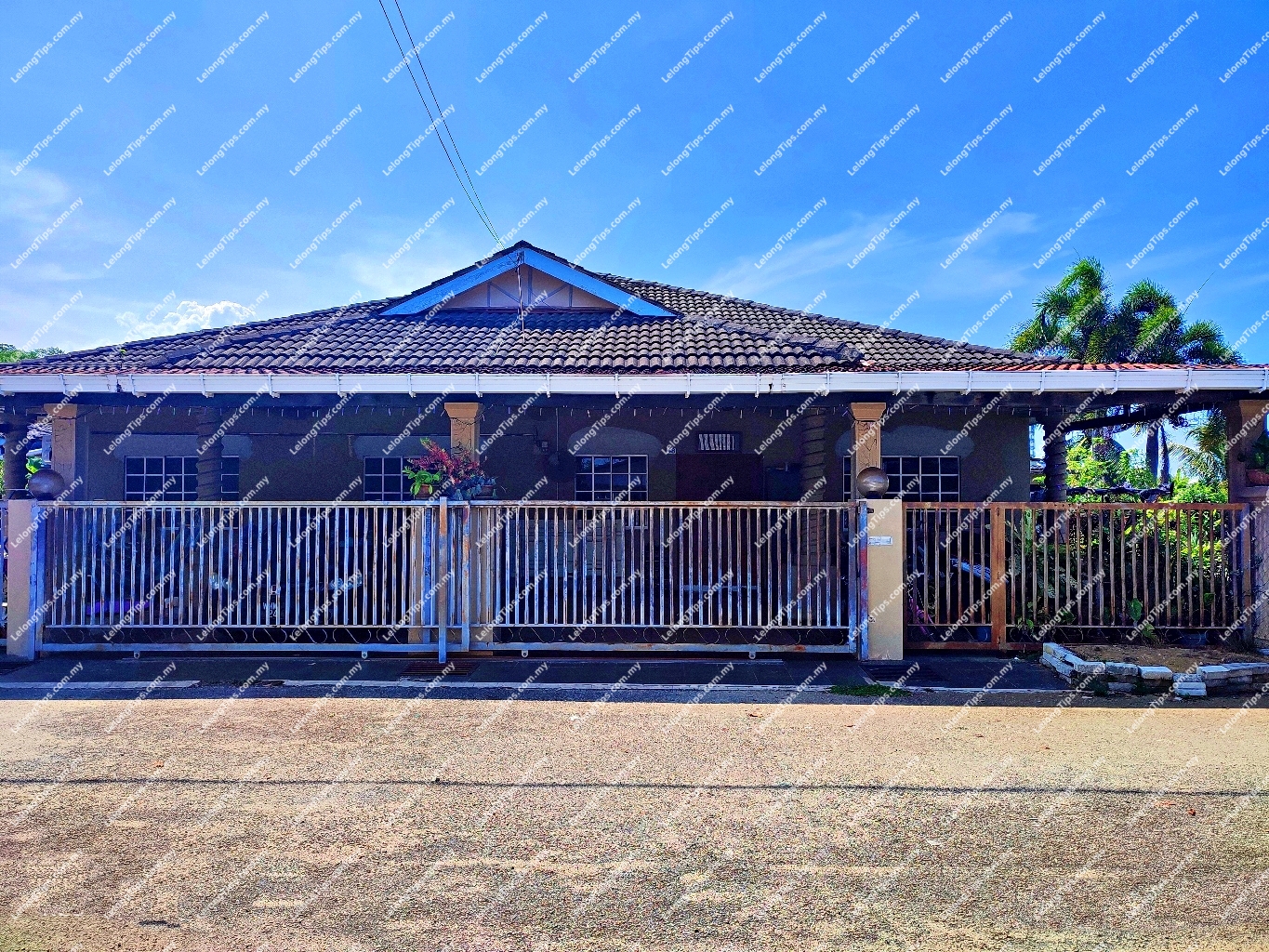
Bina rumah ikut lokasi, kemampuan rakyat elak hartanah 'melambak'
Sasaran menyediakan sejuta rumah mampu milik dalam tempoh 10 tahun di bawah Dasar Perumahan Negara (DRN)

We are the exclusive marketing partner of LelongTips.com.my.
We display updated listings of auction properties in Malaysia and provide FREE assistance service for enquiries by telephone or online. Our below market value listing would benefit your property investment as well as for your own use.


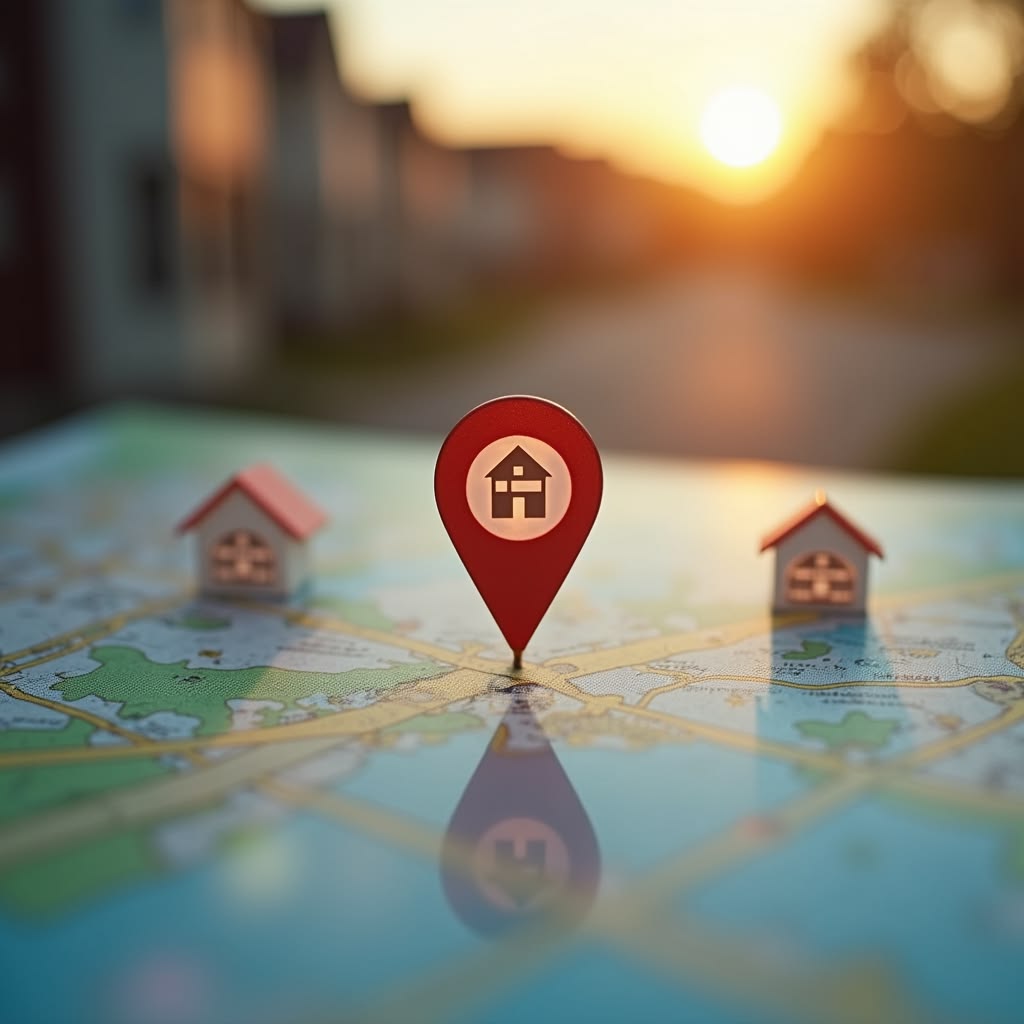
Getting visitor traffic
For developers and asset managers, footfall has always been one of the clearest signs of whether a property is performing as intended.
Occupancy rates and rental yields remain important benchmarks but they often reflect what has already happened. Visitor traffic offers a more immediate measure of a development’s appeal.
Strong footfall typically translates into healthier tenant sales, greater leasing demand and more stable occupancy. When visitor numbers decline, vacancies often follow. This is changing the way developments are conceived from the outset.
Revitalising existing assets
Urban regeneration is also becoming a practical response to the realities of city development. As mature urban areas become increasingly built, opportunities to develop on vacant land are becoming more limited.
Rather than looking outward, many developers are looking inward by identifying ageing commercial buildings, former industrial sites and underutilised properties that can be given a new lease of life.
Revitalising an existing asset allows developers to tap into locations that are already connected by infrastructure and surrounded by established communities. With transport links, utilities and nearby amenities already in place, the focus shifts from creating a destination from scratch to repositioning one that has lost its appeal.
This approach also reflects changing market expectations. Consumers today are placing greater value on convenience, walkability and developments that offer multiple uses within a single destination.
Instead of travelling between separate locations to work, dine, shop or unwind, people increasingly favour places where these activities come together naturally. For developers, that means the success of a project depends not only on what is built but on how well it fits into the rhythm of everyday urban life.
A place to spend time
Rather than simply creating more commercial space, developers are beginning to design places where people want to spend time. Mixed-use developments combine homes, offices, retail, dining and leisure within a single place because they recognise that people rarely visit places for a single purpose anymore.
Someone may stop by for coffee, stay for dinner, meet friends afterwards or attend an event in the evening. The longer people stay within a development and the more reasons they have to return, the more resilient that development becomes.
This same thinking is driving a growing number of urban revitalisation projects. Across cities, ageing buildings, underutilised commercial properties and neglected precincts are being designed as vibrant mixed-use destinations.
Instead of seeing these older assets as liabilities, developers are investing in adaptive reuse, upgraded public spaces and carefully curated tenant mixes to reconnect and resonate these places with their surrounding communities.
Features such as walkable streets, landscaped plazas, public art shows, community events and green spaces are no longer seen as nice additions.
They have become part of a broader placemaking strategy that makes people comfortable and happy enough to linger, interact and return.
These spaces also encourage people to treat developments as part of their daily routine rather than somewhere they visit only when they need to make a purchase. A lunchtime stroll, an evening concert or a weekend market can help create familiarity and repeat visits, strengthening both the commercial performance of the development and its connection with the surrounding community.
More visitors generate stronger tenant sales, attract new businesses and support the project’s occupancy levels, creating a cycle that benefits both the property and the surrounding neighbourhood.
Urban renewal
The impact often reaches beyond the development itself. As activity returns, nearby businesses benefit from increased spending, fresh investment follows and new employment opportunities emerge.
In many cases, revitalised developments become catalysts for wider urban renewal, helping to breathe new life into precincts that had previously been overlooked.
For developers, success is therefore measured in different ways. Beyond occupancy rates and rental income, there are new questions to answer.
How long do people stay? What encourages them to return? Has the development become part of people’s daily routines rather than just an occasional visit?
Developers are no longer competing solely on location or scale. They are competing to create places that remain relevant even long after construction is complete. As cities continue to evolve, that competition is very likely to go up a few notches.
The developments that stand out will not necessarily be those with the largest floor areas or the tallest towers, rather ones that successfully bring people together and become part of everyday urban life.
In today’s property market, the battle is not simply for footfall. It is for relevance.
Sasaran menyediakan sejuta rumah mampu milik dalam tempoh 10 tahun di bawah Dasar Perumahan Negara (DRN)

Kementerian Perumahan dan Kerajaan Tempatan akan melancarkan Dasar Perumahan Negara 3.0 (DPN 3.0) 2026-2036 pada Isnin ini (10 Ogos)